Understand your trace and access cover
Read the clause, identify its conditions and separate the cost of finding a leak from repair and water damage. This guide helps you prepare specific policy questions for your insurer.
Review your policy wordingADI Leak Detection publishes this guide. ADI investigates leaks; your insurer assesses cover.
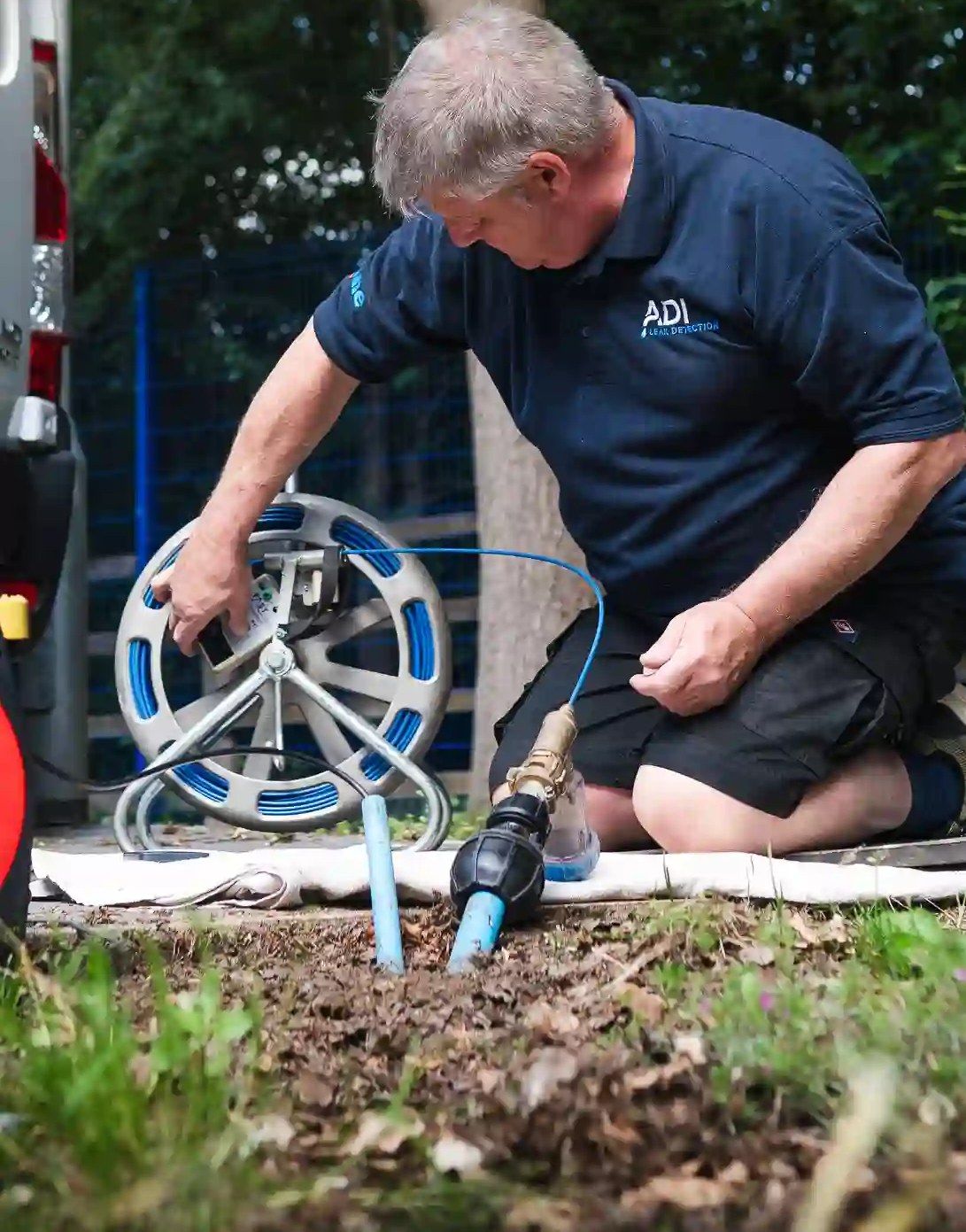
What does trace and access cover mean?
Where included, this cover may contribute to locating a leak, reaching it and making good the opening. The exact wording decides which operations and circumstances qualify.
No general guide can confirm your individual cover.
Trace
Investigating where water is escaping. Check whether the clause requires resulting insured damage.
Access
Opening the necessary part of the building. Confirm the extent of work and who can authorise it.
Make good
Restoring what the search disturbed, where included. Check limits on materials and matching finishes.
- Understand each part of the scope
Read three documents together
- Your schedule: the insured property, period, selected cover, limits and excesses.
- The policy wording: the conditions that bring the clause into operation and the exclusions that qualify it.
- Endorsements: changes that apply to this policy and may alter the standard wording.
Record the document version and page number. Ask the insurer to explain any apparent conflict rather than selecting the most favourable sentence in isolation.
Trace and access policy-reading checklist
Work through four checks with the documents open. The result identifies missing information; it does not decide whether a claim will be paid.
Answers remain in this page and reset when it is reloaded.
Ask your insurer to resolve unclear wording. ADI can discuss investigation scope but cannot confirm policy cover.
Keep four insurance decisions separate
The search and opening
Check the trace and access trigger, scope and limit.
The failed component
Pipe or fitting repair may have different cover or be excluded.
The resulting damage
Water-damaged building materials and belongings may fall under different sections.
The fourth decision is your own contribution: ask how the applicable excess and any uninsured work are treated. Limits, excesses and separate costs.
Turn the wording into an approval request
Ask the insurer which clause applies to the proposed work, which evidence is still required and whether the contractor’s scope is authorised. Keep the written response with the relevant policy pages.
Use the trace and access approval questions or read the policy wording questions.
For context, this example of insurer policy wording connects trace and access to specified damage and a schedule limit. It is an illustration of why wording matters, not a statement of your current cover.
Need to define the investigation scope?
ADI can explain the proposed investigation and report. Ask your insurer to confirm cover and any approval requirements before commissioning non-emergency work. ADI cannot authorise an insurance claim.
Call an engineer0333 567 2646Lines open 7:30am to 6:30pm, Monday to Friday.